The master class
Choose the right Retail Model
A guided collaborative program that starts with who you actually are as an entrepreneur and operator and ends with a functional retail plan built around your concept.
What this is
Not a course you watch. A process you work through.
Most retail education hands you general principles and leaves the hard part — applying them to your specific situation — entirely to you. This does the opposite. Every module produces something: a number, a decision, a completed section of your plan.
The material is built as interactive components you actually fill in, with adjustable tools delivered in the formats you already use. Walk-through videos take you through each one, so you're never looking at an empty template trying to guess what belongs in it.
And because no two concepts are identical, it's collaborative rather than automated. Monthly live sessions and email support means having somewhere to turn for help.

The process
Six stages, one plan
Each stage builds on the one before it. By the end, the pieces add up to a document you can put in front of a landlord, a lender or a partner.
01 · Assessment interview
A structured look at your capital, timeline, risk tolerance, experience and the daily life you actually want. This is the input everything else depends on, so it's built to get honest answers rather than optimistic ones.
02 · Model recommendation
Your answers are mapped against the four models to show which genuinely fit your circumstances — and, just as usefully, which ones would quietly work against you no matter how much you like the idea.
03 · The financials
Startup costs, operating costs, margin targets, break-even and cash flow — built in live tools with your own numbers, not illustrative ones. This is where a concept becomes a business or doesn't.
04 · Buildout & space
What it actually takes to make a space sell: layout, fixtures, contractors, timelines and the costs that routinely get missed until the invoice arrives.
05 · Sourcing & inventory
Finding suppliers, negotiating terms, private label options, and buying at a level that supports your margin instead of quietly eroding it.
06 · Leases & agreements
How to read what you're being asked to sign — lease structures, shop-in-shop agreements, revenue shares and the clauses that matter far more than the headline rent.
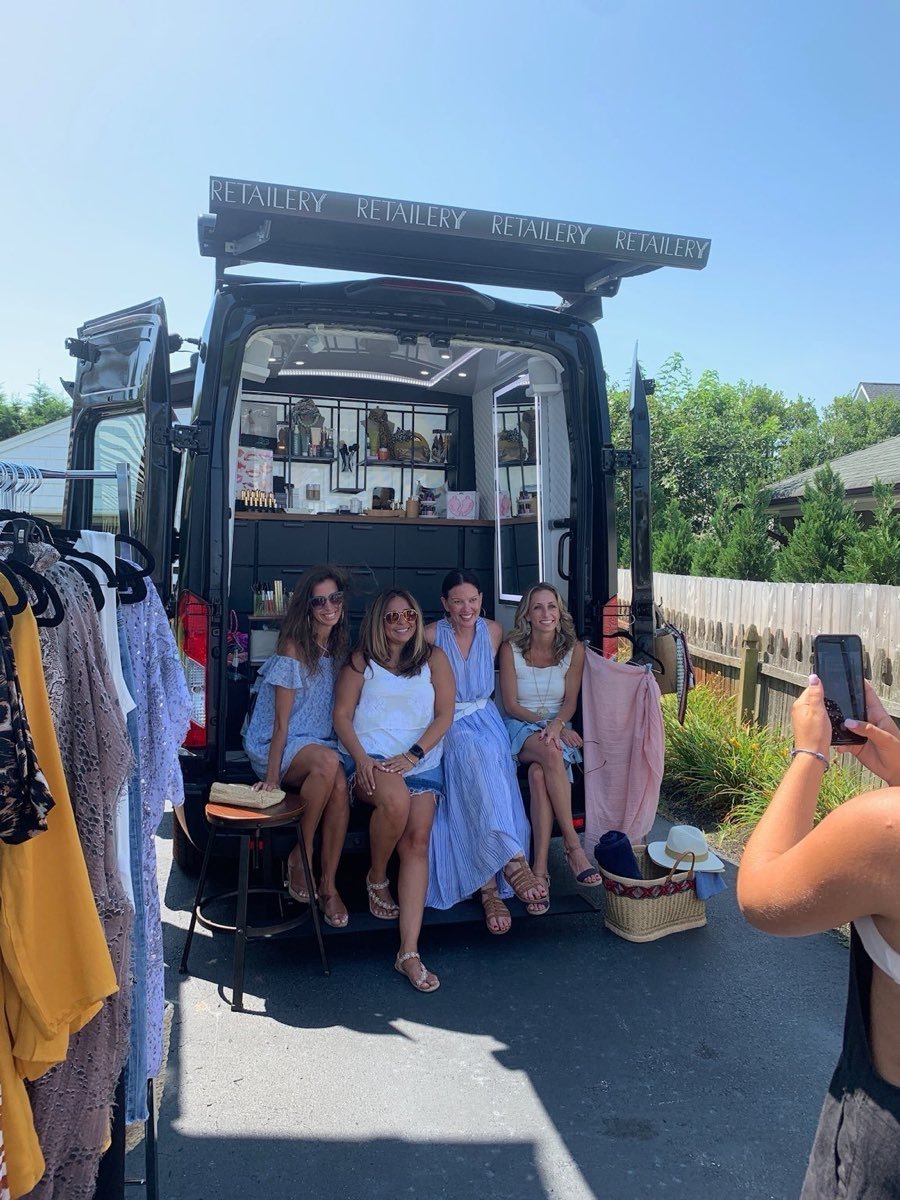
You're not doing this alone
Live sessions, support, and community building alongside you
Templates can only go so far. The moment your situation stops matching the example is the moment most people stall — so the program is built with access to resources and support.
- Monthly live sessions — bring your real numbers and real obstacles and work through them together.
- Email support — access to our team when you get stuck on a question, don't understand a term, or can't find a resource.
- Community access — we share not only suppliers, contractors, resources and hard-won experience, but a community of others to connect with.
What you walk away with
A functional plan, not a certificate
A personalized retail plan
A complete, functional plan built around your concept and your chosen model — covering financials, space, sourcing and terms. The document people ask you for when you say you're opening a business.
The reasoning behind it
You'll know why your model was chosen, what the alternatives would have cost you, and which assumptions to revisit when conditions change. A plan you can defend is a plan you can adjust.
Start with the right question
Not "where should my store go?" but "what kind of retail business should I be opening?" Everything else follows from the answer.